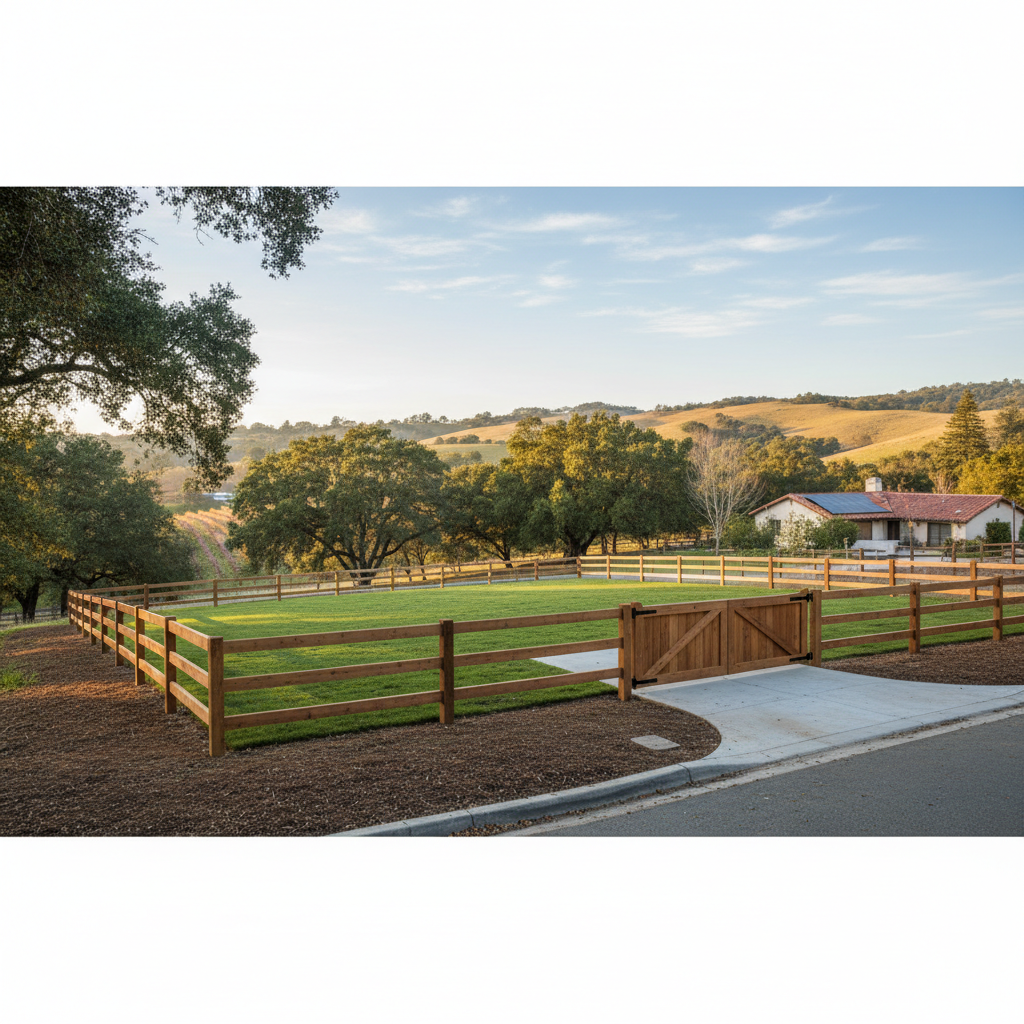
So, you're thinking about putting up a new farm fence, or maybe sprucing up an old one. Smart move. A good farm fence isn't just about keeping critters in or out; it's an investment in your property, your livestock, and, frankly, your sanity. But it's not a small job, and jumping into it without a solid plan is just asking for trouble. Believe me, I've seen it happen. Let's talk about what you really need to consider before you even think about picking up the phone.
Timeline: More Than Just Digging Holes
People often don't realize how long a farm fence project can take. It's not just the actual installation time, you know? You've got several stages, and each one needs its own chunk of time.
- Initial Research & Planning (2-4 weeks): This is where you figure out what kind of fence you actually need (woven wire, high-tensile, barbed wire, rail, etc.), where it's going, and what your budget looks like. You'll be looking at materials, styles, and really thinking about your specific needs. Got goats? Horses? Cattle? Each animal needs a different approach.
- Contractor Selection (2-3 weeks): Getting quotes, checking references, and finally making a decision takes time. Don't rush this part. A good contractor is absolutely worth the wait.
- Permits & Approvals (4-8 weeks, or more): This is often the biggest wild card. Depending on your property, the fence height, and how close it is to property lines or easements, you might need permits from Napa County. If you're in an agricultural preserve or near sensitive habitats, there could be even more hoops to jump through. Always check with the county planning department early on.
- Material Ordering & Delivery (2-6 weeks): Specialized fencing materials, especially for bigger farm projects, aren't usually just sitting in stock at your local hardware store. They might need to be ordered, and, well, supply chain issues can always pop up.
- Installation (1 week to several months): This depends entirely on the fence's length, how complex it is, the terrain, and, of course, the weather. A few hundred feet on flat ground is one thing; miles of fence on hilly, rocky terrain in the Mayacamas foothills is a whole different ballgame.
Realistically, from the moment you decide you need a new fence to the day it's finished, you're probably looking at anywhere from three to six months, sometimes even longer. Plan accordingly, especially if you have a specific deadline, like bringing in new livestock.
What to Expect During the Process
Once you've got a contractor lined up and permits (if you needed them) in hand, here's a general rundown of what'll happen:
- Site Prep: Before any posts go in, your contractor will likely clear the fence line. This means removing brush, small trees, and any existing old fence materials. It can be dusty and noisy work.
- Layout & Marking: The crew will carefully lay out the fence line, marking exactly where posts will go. This is crucial for getting a straight, properly aligned fence.
- Post Installation: This is the backbone of your fence. Posts will be driven, augered, or set in concrete, depending on the fence type and soil conditions. Here in Napa, we've got everything from soft loam on the valley floor to tough, rocky volcanic soil up on the hillsides. A good contractor knows how to handle it all.
- Wire/Rail Installation: Once the posts are solid, the wire (woven, barbed, high-tensile) or rails are attached. This involves stretching, stapling, and securing everything tightly.
- Gates: Gates are installed last, making sure they swing freely and latch securely.
- Cleanup: A professional crew will clean up their mess, hauling away debris and leaving your property tidy.
You'll definitely see a lot of activity, hear machinery, and there might be some temporary disruption to your normal routines. Communication with your contractor is absolutely key here. Ask about their daily schedule, where they'll be working, and any access needs they might have.
How to Prepare Your Property
You can make the whole process smoother for everyone involved:
- Clear the Fence Line: If you can, do some of the clearing yourself before the crew arrives. Cut back brush, remove small trees, and get rid of any old fence wire. This saves time and potentially money, too.
- Mark Utilities: Call 811 (Underground Service Alert) a few days before any digging starts. They'll mark public utility lines. For private lines (irrigation, septic, power to outbuildings), you'll need to mark those yourself or point them out to your contractor. You really don't want a post hole auger hitting your main water line, right?
- Secure Animals & Valuables: Keep livestock in a secure area away from the work zone. Move any valuable equipment, vehicles, or garden features that might be in the way.
- Provide Access: Make sure the crew has clear access to the fence line with their vehicles and equipment. If there are gates they need to use, ensure they're unlocked or provide keys.
- Discuss Water & Power: Ask your contractor if they'll need access to water or power on site. Sometimes they bring their own, sometimes not.
What to Ask Before Signing a Contract
This is where you protect yourself and ensure you're getting what you pay for. Don't be shy; ask these questions: