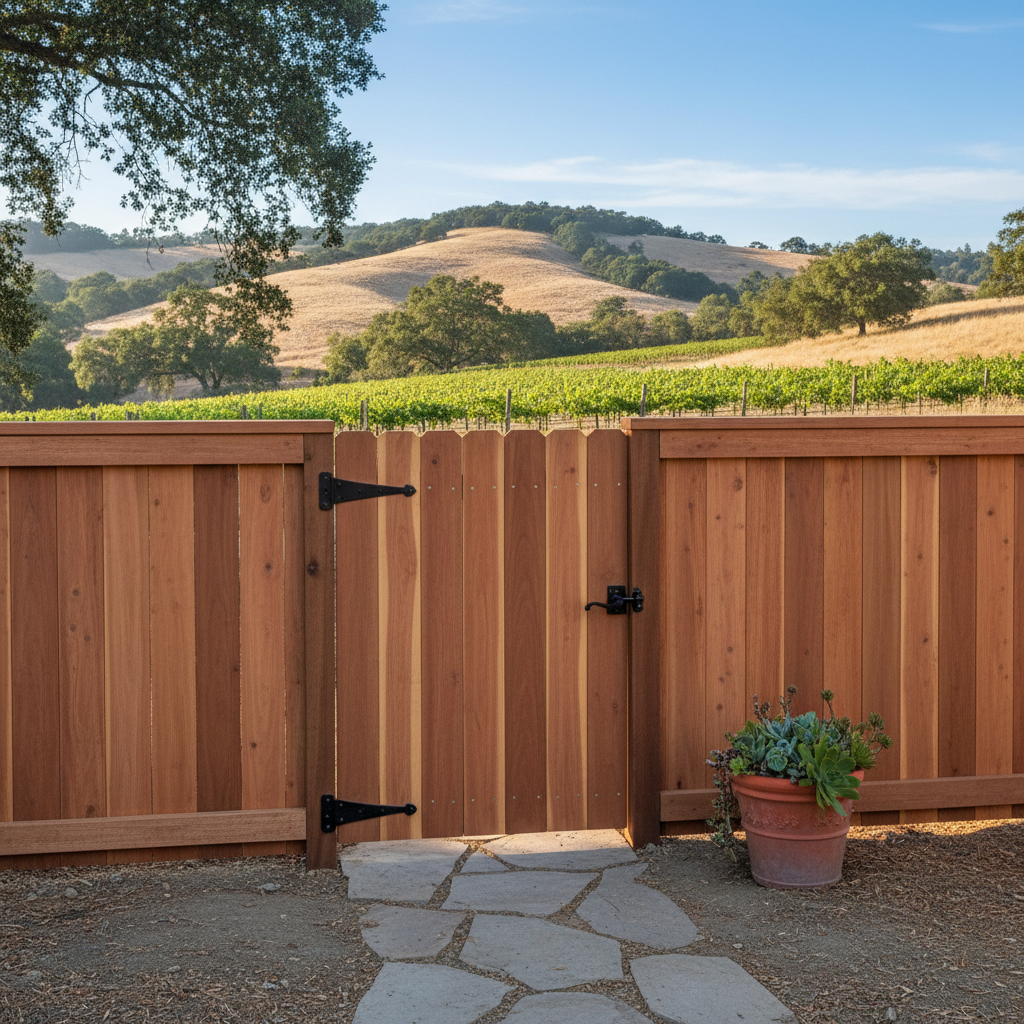
Alright, let's talk about hiring a fence contractor. It's not rocket science, but you'd be surprised how many folks jump into it without doing their homework. You're investing good money into your property, so you want to make sure you're getting a quality job from someone you can trust. I've been in this business a long time, and I've seen it all – the good, the bad, and the downright ugly. Here's what you need to know to protect yourself and get the fence you actually want.
What to Ask Potential Contractors
When you've got a few names, don't be shy. Call them up, ask some questions. This isn't an interrogation; it's you making an informed decision. Here's a starting list:
- Are you licensed and insured in California? This is non-negotiable. If they're not, walk away. A contractor without insurance is a massive liability for you if anything goes wrong on your property. Ask for their license number and check it with the CSLB (Contractors State License Board).
- How long have you been in business? Experience matters. Someone who's been around for a while, especially in Napa, knows the local ground conditions, permits, and common issues.
- Can you provide references? A good contractor should have no problem giving you a few names and numbers of past clients. Call them! Ask about the quality of work, adherence to schedule, and communication.
- What's your typical timeline for a project like mine? This helps set expectations. They might be busy, but they should be able to give you a realistic start and completion date.
- Who will be doing the actual work? Your crew or subcontractors? Some companies use subs exclusively. That's not always a deal-breaker, but you want to know who's going to be on your property.
- What kind of warranty do you offer on your work and materials? A reputable contractor stands behind their work. Understand what's covered and for how long.
- How do you handle unexpected issues? Sometimes you hit a rock, or find an old irrigation line. Things happen. You want to know they have a plan for dealing with surprises without derailing the project or your budget.
Decoding the Quote: What to Look For
You'll get quotes, and they'll look different. Don't just pick the cheapest one. That's a common mistake. A good quote should be detailed and clear.
- Line-item breakdown: Does it show the cost of materials (posts, pickets, gates, hardware), labor, and any other fees (like permit application assistance or debris removal)? If it's just one big number, ask for more detail.
- Material specifications: It should specify the type of wood (e.g., redwood, cedar), gauge of chain link, type of aluminum, post size, and concrete depth. This helps you compare apples to apples between quotes. For example, if you're in an older neighborhood like Old Town Napa, you might have some tricky soil conditions, and a good quote will reflect appropriate post setting.
- Payment schedule: A reasonable payment schedule usually involves an initial deposit (often 10% or a set amount, whichever is less, as per CA law for home improvement contracts), progress payments, and a final payment upon completion and your satisfaction. Be very wary of anyone asking for a huge upfront payment.
- Start and completion dates: As we discussed, these should be clear.
- Exclusions: What's NOT included? Understanding this can prevent misunderstandings later.
Red Flags You Can't Ignore
Some things should make you hit the brakes immediately:
- No license or insurance: We covered this. Run.
- Cash-only deals or huge upfront payments: This screams shady business. Legitimate contractors don't operate this way.
- High-pressure sales tactics: